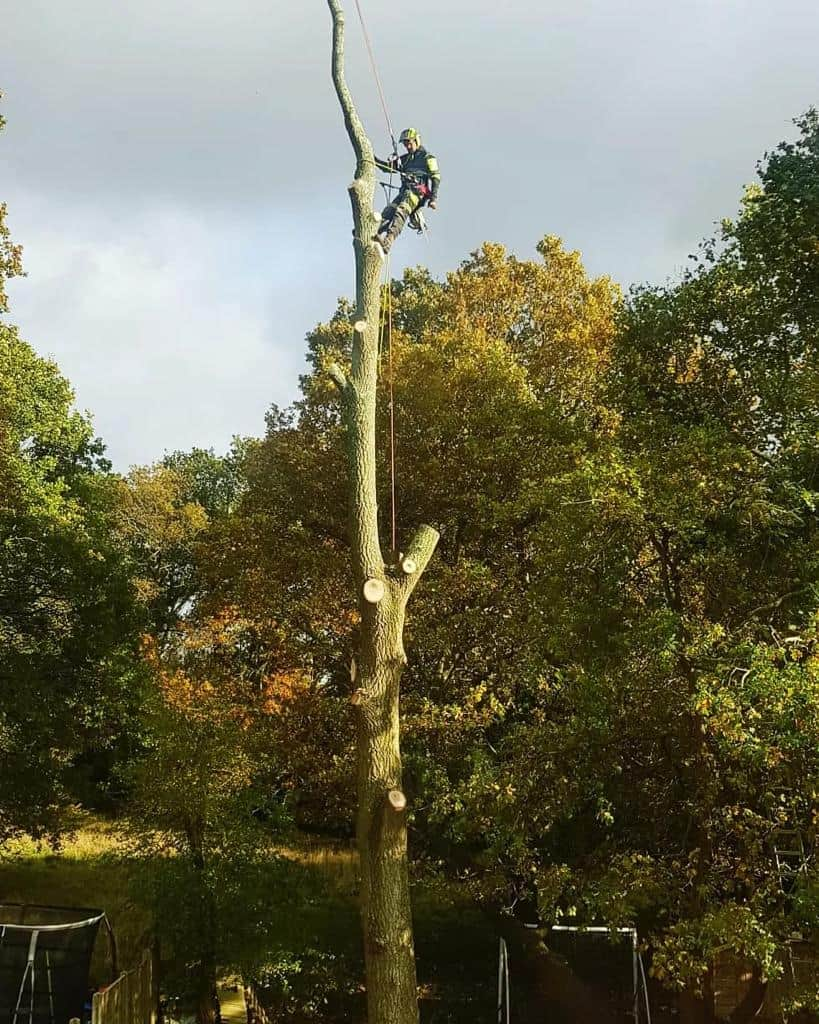
Removing a tree does not always mean the work is complete. The remaining stump can gradually decay, creating a damp, sheltered environment that may attract a variety of unwanted garden pests. Although some insects play a useful role in breaking down dead wood, an untreated stump can become an inviting habitat for species that may cause problems for nearby plants and wooden structures.
For homeowners in Emsworth, Hampshire, understanding the potential issues associated with decaying tree stumps can help keep gardens healthier and easier to maintain. Professional stump removal is an effective way to eliminate this source of decaying wood and reduce the likelihood of pest activity developing around it.
Why Decaying Tree Stumps Attract Garden Pests
As a tree stump breaks down, its wood becomes softer and begins to retain moisture. Fungi and microorganisms gradually decompose the timber, creating conditions that provide food and shelter for various insects.
The combination of damp wood, natural cavities and protection from direct sunlight makes an old stump particularly attractive to certain pests. As decay progresses, cracks and hollow sections can provide additional hiding places.
The extent of pest activity depends on the tree species, the stump’s age, moisture levels and the surrounding garden environment. Stumps that remain in contact with damp soil or are surrounded by dense vegetation may be especially suitable habitats.
Common Pests That May Live in Decaying Stumps
Several types of insects can make use of decaying wood as a food source or nesting habitat. While not every species is harmful, some may become a concern if their activity spreads beyond the stump.
- Woodlice: These small creatures favour damp, decaying organic material and often gather beneath old stumps and surrounding debris.
- Ants: Certain ant species may establish nests in cavities within deteriorating wood, particularly where the stump offers sheltered spaces.
- Wood-boring insects: Some beetle larvae develop within timber, feeding on the wood as part of their life cycle. Their presence can depend on the condition and type of timber.
- Termites: Where present, these insects feed on cellulose-containing materials and can damage timber structures. Their activity should be assessed by an appropriate pest professional.
- Slugs and other moisture-loving garden pests: Damp areas around decaying stumps can provide suitable daytime shelter for these creatures.
It is important to recognise that insects found in a stump are not necessarily a threat to the property. However, persistent pest activity close to garden structures or healthy plants may warrant further investigation.
Can Pests Around Tree Stumps Affect Nearby Plants?
Some insects associated with decaying stumps are harmless decomposers, helping return nutrients to the soil. Others may move into surrounding garden areas in search of food or suitable places to shelter.
For example, ants may establish additional nests beneath nearby paving or within garden borders. Certain insects may also affect living plants, although this depends on the species involved rather than simply the presence of an old stump.
A decaying stump can also encourage fungal growth and retain moisture around its base. This may create unsuitable conditions for nearby planting if the area remains consistently damp.
Removing the stump can help eliminate the concentrated source of decaying timber, making the surrounding space easier to manage.
Why Leaving an Old Tree Stump Can Cause Ongoing Problems
Beyond attracting insects, an old stump can create several practical difficulties in a garden. As the wood deteriorates, it may become soft, uneven and increasingly difficult to work around.
New shoots can also develop from some remaining root systems, depending on the tree species. These shoots may need repeated cutting back if the stump is left in place.
Other potential issues include:
- Providing shelter for insects and other small garden pests.
- Creating an obstacle when mowing or maintaining the lawn.
- Taking up valuable space that could be used for planting or landscaping.
- Encouraging fungal growth as the timber decomposes.
- Leaving underground roots that may interfere with future garden improvements.
Removing the stump helps address these issues at their source rather than allowing the decaying material to remain in the garden.
How Professional Stump Removal Helps
Professional stump removal is a practical way to clear unwanted tree remains and make the area suitable for future use. One commonly used method is stump grinding, which involves using specialist machinery to break the remaining stump down into smaller wood fragments.
The depth and extent of grinding depend on the stump’s size, location and intended use of the space afterwards. This approach can remove the visible stump and reduce the amount of decaying timber remaining close to the surface.
Professional assessment is important because tree stumps can have extensive root systems, and the surrounding area may contain paving, planting or other obstacles. An experienced tree surgeon can establish the most appropriate method and carry out the work with suitable equipment.
Once the stump has been removed, the area can be cleared and prepared for future garden maintenance or landscaping.
Keeping Your Garden Clear of Decaying Tree Remains in Emsworth
If you have an old tree stump in your garden, it is worth considering whether it is creating an ongoing maintenance or pest concern. Removing unwanted stumps can improve the usability of outdoor spaces and eliminate a source of decaying wood that may attract insects.
LM Tree Surgery Emsworth provides professional tree surgery and stump removal services in Emsworth, Hampshire. Whether you have a small, deteriorating stump or a larger tree remnant taking up valuable garden space, the team can assess the area and recommend a suitable solution.
Conclusion
Decaying tree stumps can provide food and shelter for a range of insects, some of which may become unwanted visitors around the garden. Although many are simply part of the natural decomposition process, leaving an old stump in place can create ongoing maintenance issues and provide a habitat for persistent pest activity.
Professional stump removal helps clear away decaying timber and makes the space easier to maintain. If you have an unwanted tree stump at your property in Emsworth, Hampshire, contact LM Tree Surgery Emsworth to discuss your stump removal requirements.
Call us on: 01243 979 695
Click here to find out more about LM Tree Surgery Emsworth
Click here to complete our contact form and see how we can help with your tree needs.